
RESEARCH PROJECT · Evidence gathering
Under Ground Leominster
What can Leominster's cellars and other below-ground features reveal about earlier buildings, plots, routes and water management?
The project records visible and safely accessible evidence beneath the town, then compares it with buildings, historic mapping, archaeology and local testimony.
What is the question?
What can Leominster's cellars and other below-ground features reveal about earlier buildings, plots, routes and water management?
Why does it matter?
Cellars may preserve construction, boundaries and floor levels removed or concealed above ground.
Below-ground evidence can test how buildings relate to plots, streets, watercourses and earlier phases.
Recording now creates a baseline before alteration, infilling or loss.
What is already known?
Official list descriptions identify cellars in a number of Leominster buildings, although the level of detail varies.
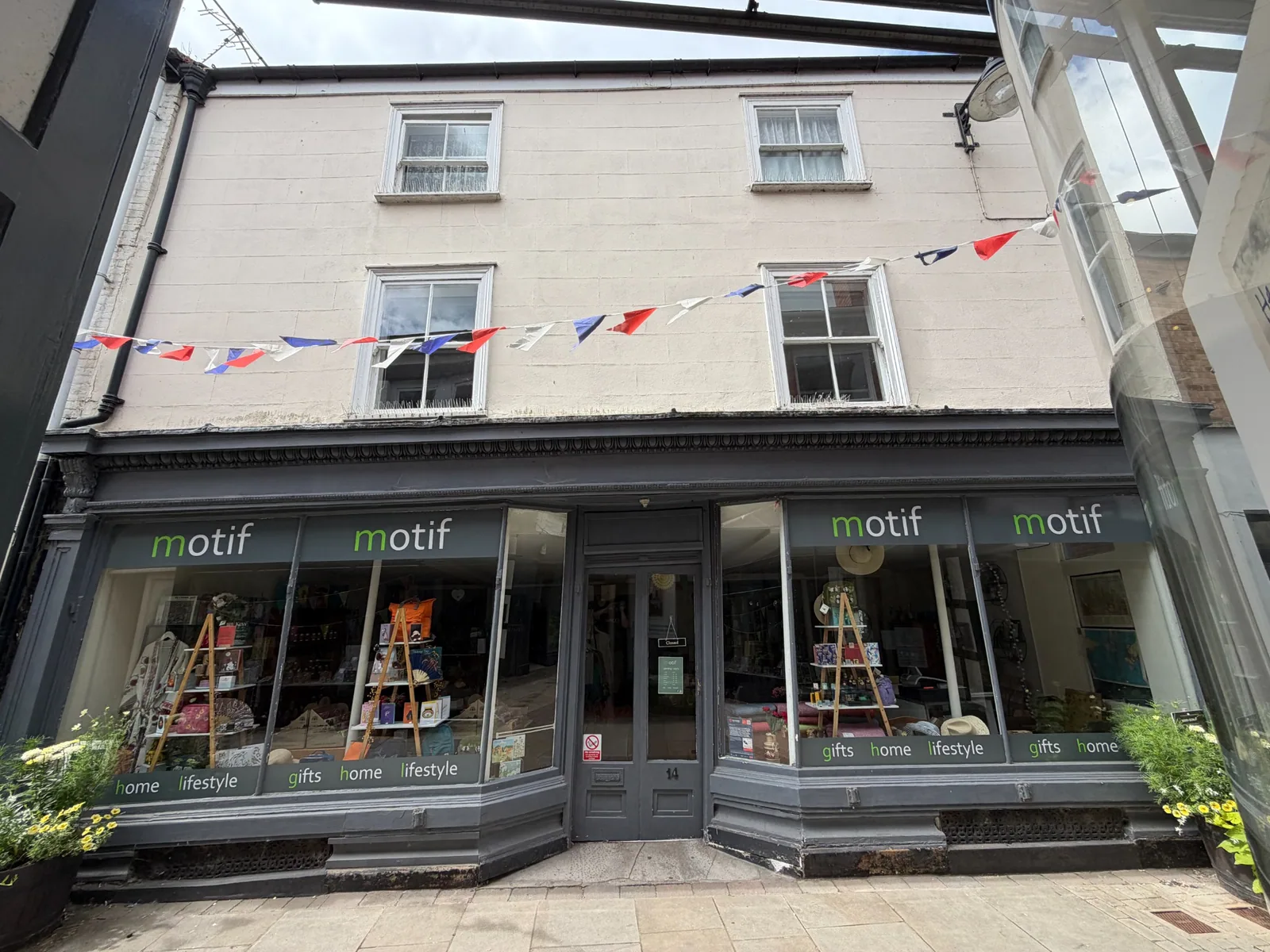
The project catalogue records visible cellar grilles and other exterior signs, including those at 12 and 14 Drapers Lane.
Reports of passages exist, but a report is not treated as proof until its location and physical evidence can be checked.
What evidence has been gathered?
- Official source recordThe list entry for 12 and 14 Drapers Lane records a cellar and cast-iron grilles within the shopfront.View this evidence
- Site observationProject photograph LH-IMG-000095 documents the grilles and their relationship with the shopfront.View this evidence
What is currently being done?
Create a consistent record for position, construction, dimensions, levels, openings, condition and source.
Invite safe, permission-based access to cellars not previously recorded.
Separate direct observation, measured evidence, local recollection and project interpretation.
Compare observations only after each location has a reliable individual record.
What remains uncertain?
- How many early or substantially unaltered cellars survive.
- Whether repeated alignments indicate shared construction, plot boundaries or later rebuilding.
- How surviving features relate to former watercourses and changes in street level.
- Which reported connections can be verified without intrusive work.
7 · HOW CAN SOMEBODY ASSIST?
Offer access or report an observation
Owners and occupiers can offer access, share existing photographs or describe a feature. Private access details are not published.