RESEARCH PROJECT · Baseline survey
Historic Doorheads
What can Leominster's dated, inscribed, carved and distinctive doorheads reveal about building phases, owners, trades and local craftsmanship?
The project is creating a consistent photographic and measured record of entrance details across the town, including examples that cannot be seen from the public street.
What is the question?
What can Leominster's dated, inscribed, carved and distinctive doorheads reveal about building phases, owners, trades and local craftsmanship?
Why does it matter?
Dates, initials and symbols can locate a phase of alteration or identify people connected with it.
Doorheads bring together architecture, craft, property history and changing building use.
Exposed details are vulnerable to erosion, repainting, removal and replacement.
What is already known?
The photographic catalogue already records pedimented doorcases, fanlights, columns, pilasters, lintels and simpler timber surrounds.
Official list descriptions contain useful detail, but terminology and coverage vary.
Some strong examples occur within later frontages, where the entrance may help distinguish a phase of change.
Private yards, passages and interiors are likely to contain further examples not visible from the street.
What evidence has been gathered?
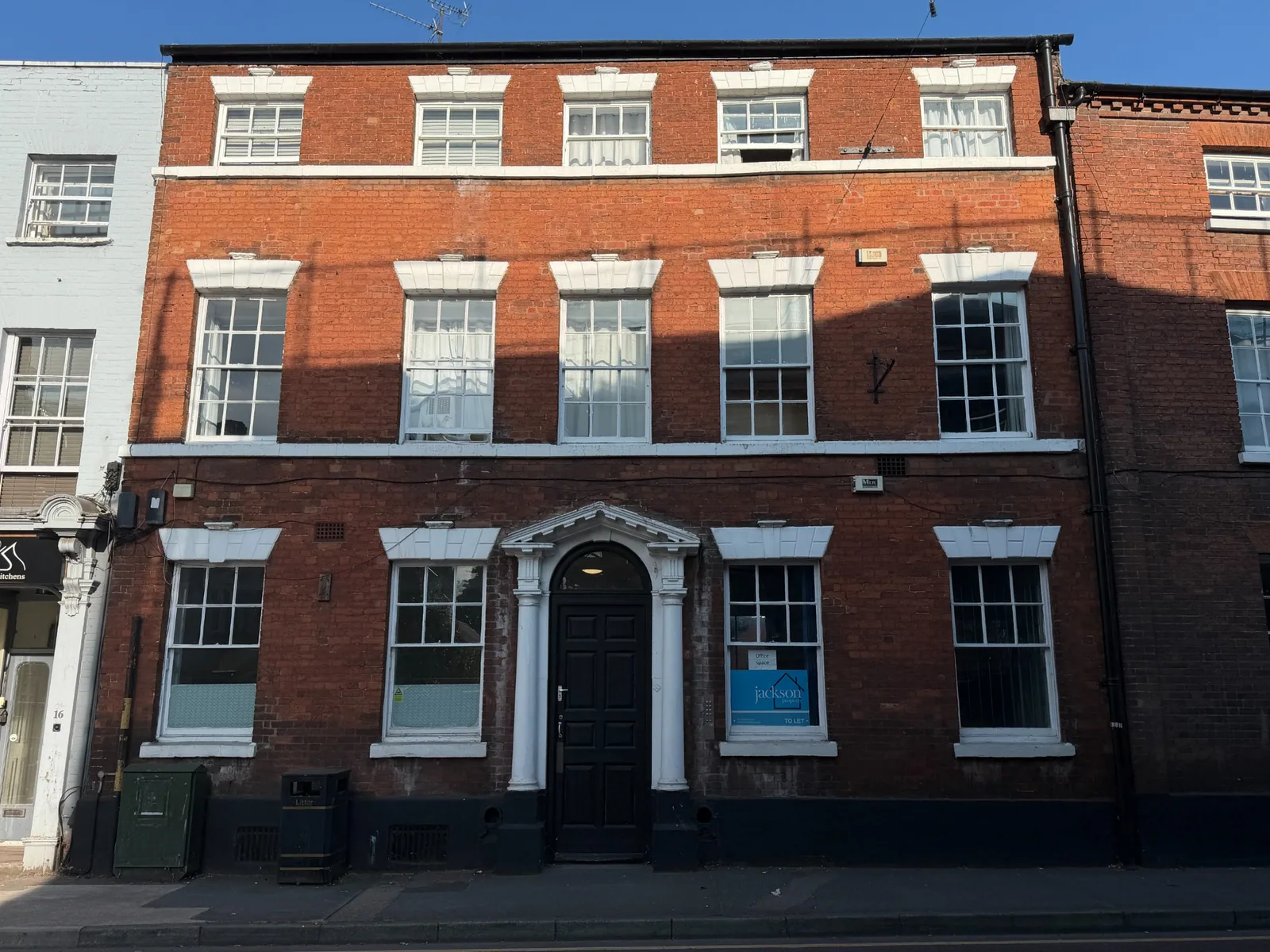
- Photographic recordingLH-IMG-000016 records the later eighteenth-century open-pedimented doorcase at 14 South Street.View this evidence
- Official source recordThe list entry describes the attached Tuscan columns, open pediment and fanlight at 14 South Street.View this evidence
- Comparative catalogueCurrent photographs identify related doorcases and fanlights in Broad Street, Church Street, South Street and Etnam Street.View this evidence
What is currently being done?
Review the existing catalogue for doorheads, lintels, hoods, fanlights, dates, initials and symbols.
Agree a survey sheet covering material, dimensions, condition, inscription and photographic views.
Identify priority examples for close recording and test links with owners, occupiers and building phases.
Invite contributions for examples in private or less visible locations.
What remains uncertain?
- Which elements are original to their openings and which have been reused or replaced.
- Whether repeated details can be linked to particular makers or workshops.
- How many inscribed or dated examples remain unrecorded.
- Which initials or symbols can be connected securely with documented owners, trades or events.
7 · HOW CAN SOMEBODY ASSIST?
Tell us about a doorhead
A clear photograph and location are enough to begin. You do not need to know the date, meaning or significance of the detail.